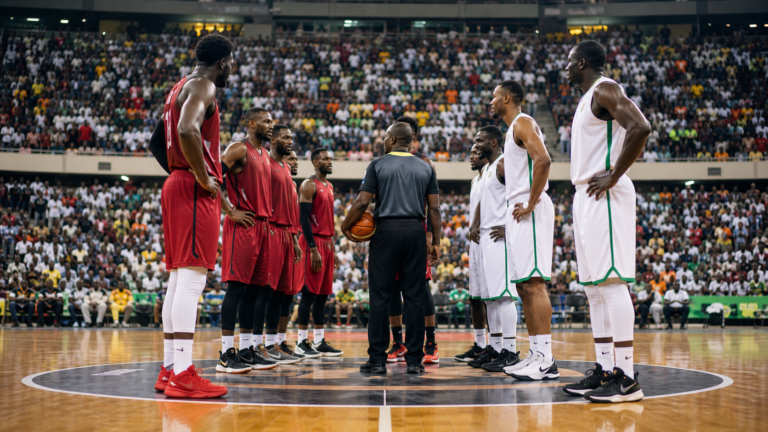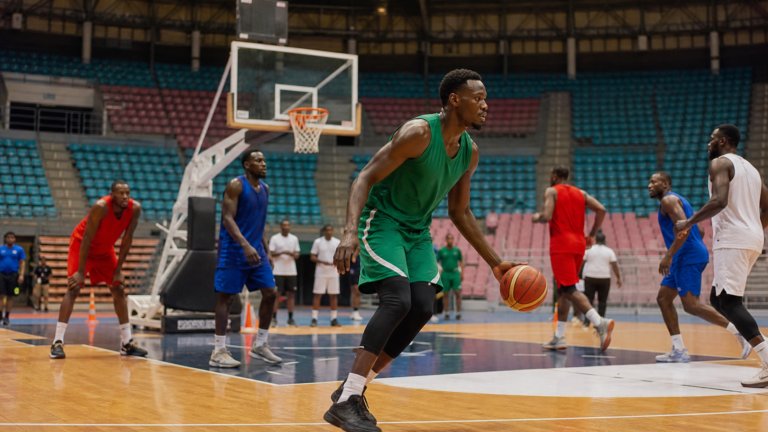
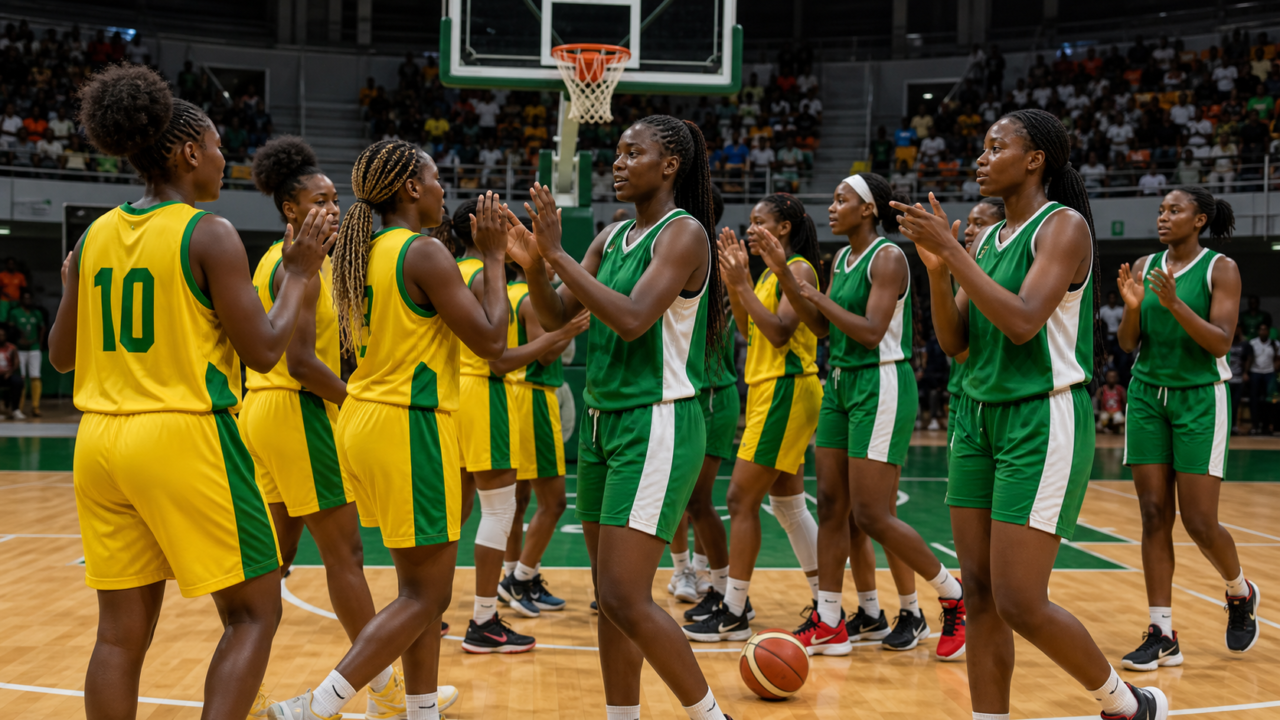
Mali and Nigeria will represent Africa at the 2027 FIBA U19 Women’s Basketball World Cup after reaching the final of the 2026 FIBA U18 Women’s AfroBasket in Abidjan. The two West African programmes claimed the tournament’s available global places by navigating a 12-team field and winning their way through the knockout rounds.
FIBA designated the continental event as Africa’s qualifier for the next U19 Women’s World Cup, with the top two teams advancing. That made the semi-finals the tournament’s most important threshold: victory delivered both a place in the African final and a ticket to the global stage.
Familiar finalists meet a new qualification target
Mali and Nigeria also met in the 2024 U18 Women’s AfroBasket final, underlining the depth and continuity of their youth programmes. Mali entered the 2026 competition as the continent’s record title holder at this age level, while Nigeria arrived with another generation seeking to sustain the country’s growing influence in women’s basketball.
The repeat final should not obscure how difficult qualification can be. A youth roster changes significantly from one cycle to the next, and past results offer no automatic protection when a single knockout game can decide a World Cup place. Both teams had to build new combinations and manage the pressure of a tournament staged over less than two weeks.
Africa Sports Live tracked the closing stages in its preview of the decisive U18 Women’s AfroBasket weekend. The final pairing confirms that Mali and Nigeria were able to turn their tournament pedigree into the results required when the stakes were highest.
A global opportunity for African prospects
The U19 Women’s World Cup will expose both squads to teams from Europe, the Americas, Asia and Oceania. The competition demands a different level of preparation because opponents bring varied defensive systems, greater shooting depth and a pace that can punish short lapses.
For the players, the value extends beyond the final ranking. International games provide evidence of how skills transfer against elite opposition. Guards must handle sustained pressure, forwards must make faster reads and centres must defend more space. Those lessons can influence club, academy and senior national-team development.
Mali’s repeated success demonstrates what a clear youth pipeline can produce. The next step is to use the World Cup cycle to connect that pipeline more closely to senior basketball. Nigeria’s qualification offers a similar opportunity: protect the progress made in Abidjan and give the group enough high-level preparation to arrive at the global tournament with a defined identity.
What comes next for Mali and Nigeria
Both federations now have time to map a preparation programme. That should include monitoring player development, maintaining contact between camps and arranging competitive games where possible. Youth teams often lose momentum when a continental event ends, so continuity will be as important as any single tactical adjustment.
The qualification also strengthens the visibility of women’s basketball in West Africa. Two neighbouring nations will carry the continent’s hopes, creating a clear story for supporters and a tangible target for younger players following the tournament.
Mali and Nigeria still had a continental title to decide in Abidjan, but their longer-term achievement was already secure when they reached the final. Africa’s places at the 2027 U19 Women’s World Cup belong to two programmes with proven pedigree and another year to prepare for the demands of the global game.