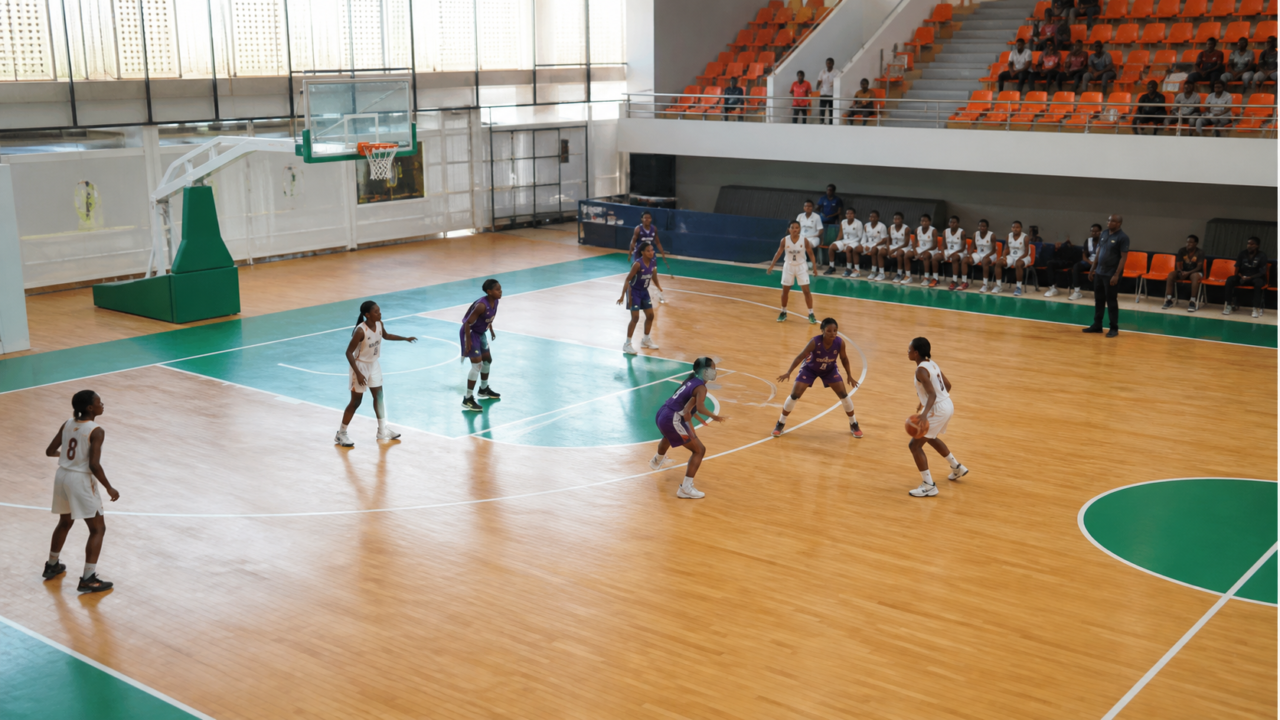
The 2026 FIBA U18 Women’s AfroBasket has reached its decisive final weekend in Abidjan, bringing the continent’s leading youth national teams to the point where preparation, depth and composure will determine the medal positions.
The competition, scheduled from 5 to 16 August in Côte d’Ivoire, has moved from group play through the knockout phase. The remaining games will settle the continental title and complete the final classification after nearly two weeks of competition.
The tournament narrows to its defining games
A final weekend changes the demands on young teams. There is less room to recover from a slow start, while every defensive rotation and possession becomes more visible. Coaches must decide when to trust the line-ups that carried them through the earlier rounds and when fresh energy can change the pace of a game.
The pressure is part of the value of the competition. Players are not only representing their countries; they are learning how to perform in knockout basketball, where the opponent has studied their strongest actions and the scoreboard can influence decision-making. That experience is essential for athletes expected to progress toward senior national teams.
Abidjan has provided a concentrated test of different basketball identities from across Africa. The final games will reward teams capable of maintaining their own strengths while adapting to unfamiliar opponents, officiating rhythms and the physical demands of a tournament schedule.
A development stage with senior consequences
The U18 championship matters well beyond the trophy. It gives federations a clear view of the players who may enter senior programmes over the next several years and reveals where additional investment is needed in coaching, conditioning and domestic competition.
For African women’s basketball, that pathway is particularly important. The senior game continues to grow in visibility, but lasting progress depends on giving teenage players regular high-level minutes before they reach open-age competition. A continental event offers a standard that regional camps alone cannot provide.
Our report on the U18 Women’s AfroBasket knockout stage examined the shift from group play to elimination basketball. The final weekend is the next step: it tests which programmes can reproduce their best performance when medals are directly at stake.
What the final weekend will reveal
The closing games will offer evidence about more than talent. Successful teams must communicate under pressure, defend without unnecessary fouls and create reliable shots when transition opportunities disappear. Rebounding and ball security often become decisive as fatigue grows and possessions slow down.
They will also show how well each roster has been built for a full tournament. A deep rotation can protect players from the accumulated workload, but the final stages demand clarity about roles. Every player must understand where scoring, defence and leadership are expected to come from.
What happens after Abidjan
The championship concludes on 16 August, after which federations will begin evaluating the tournament and planning the next stage of player development. Some athletes will return to clubs and academies, others will move toward college or professional pathways, and the strongest prospects will enter conversations around senior national-team camps.
The immediate focus remains the medal games, but the broader measure of success will come later. The teams that use the lessons from Abidjan to create consistent opportunities for their players will gain the greatest long-term value. The final weekend decides Africa’s U18 women’s champion; it also provides a snapshot of the continent’s next basketball generation.