
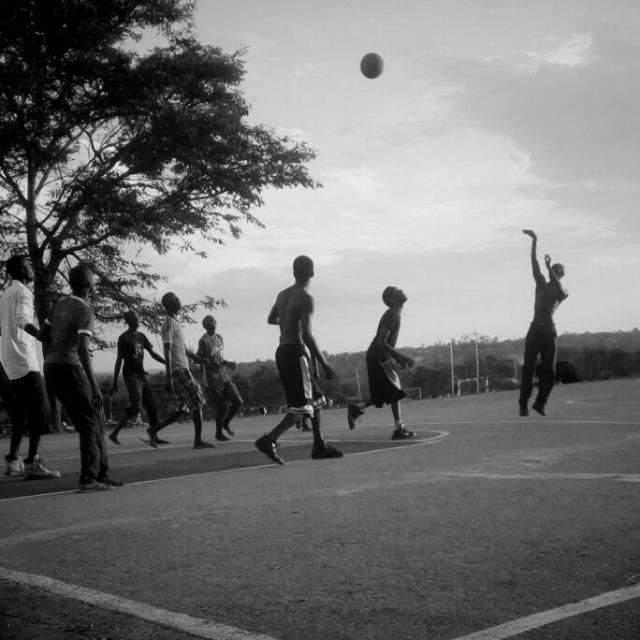
Kisumu has been selected to host an East African multi-sport championship involving teams from Kenya, Tanzania, Uganda, Rwanda and Burundi, with basketball included in the programme.
The official FIBA report places the Kenyan city at the centre of a regional event that will also feature football and handball. For basketball, the announcement creates another competitive setting for neighbouring countries and gives western Kenya a direct role in regional sport.
A regional platform in Kisumu
East African basketball continues to grow through school, club and national structures, but regular cross-border competition remains important. A championship involving five countries gives teams access to opponents with different playing styles and development systems.
Kisumu offers a setting outside the capital, widening the geographic reach of major events in Kenya. Hosting can bring attention to local facilities and create opportunities for young supporters to see regional competition without travelling to Nairobi.
The event’s multi-sport format also presents an organisational challenge. Basketball schedules must be coordinated with other competitions, while venues, officials and medical services need to meet the demands of several sports.
Why it matters for East African basketball
Regional championships can provide valuable competitive minutes, particularly for athletes who do not yet have regular access to continental club events or senior international windows.
Games between neighbouring countries are also useful benchmarks. Federations can assess technical development, conditioning and decision-making against teams operating in similar environments.
The announcement does not replace FIBA’s established continental pathways. Instead, it adds another layer beneath them. Strong regional competition can help players and coaches prepare for larger African events while building a local audience.
Africa Sports Live has been following the continent’s broader international calendar, including the World Cup qualifying window in Dakar and Radès. Kisumu represents a different level of the basketball system: regional participation and development rather than senior World Cup qualification.
What organisers must confirm
The next stage is practical. Supporters will need confirmed dates, venues, participating squads and a competition format from the organisers and relevant federations.
No results, fixtures or qualification implications should be assumed before those details are published. The official announcement confirms the host city and the countries expected to be involved, but operational information must come through recognised channels.
Image, ticket and broadcast information will also matter. A regional tournament can reach a wider audience if schedules are accessible and results are reported consistently.
What happens next
Kenyan organisers and participating countries are expected to move into final preparation once the programme is confirmed. Federations will need to identify teams, arrange travel and coordinate with coaches across the sports involved.
For Kisumu, the event is an opportunity to demonstrate that major regional competition can be staged beyond the usual capital-city venues. For East African basketball, it offers another chance to connect development with meaningful games.
The strongest measure of success will be whether the championship produces well-organised competition and leaves participating athletes with a clearer route to higher levels.