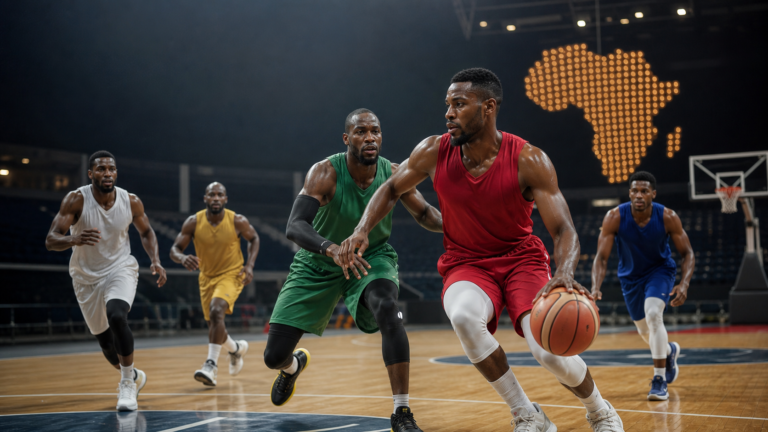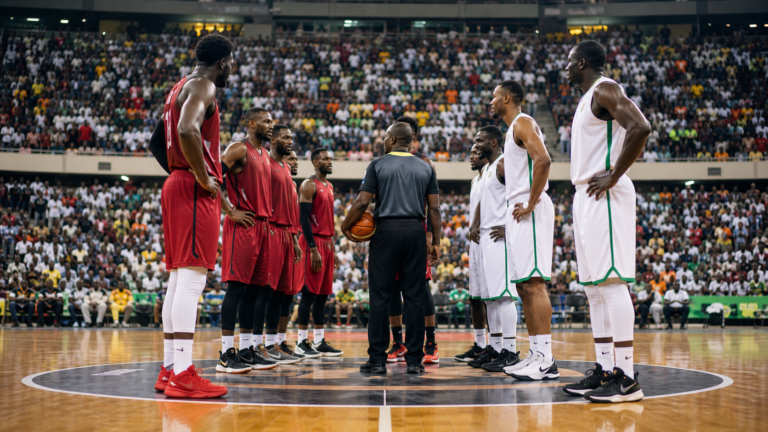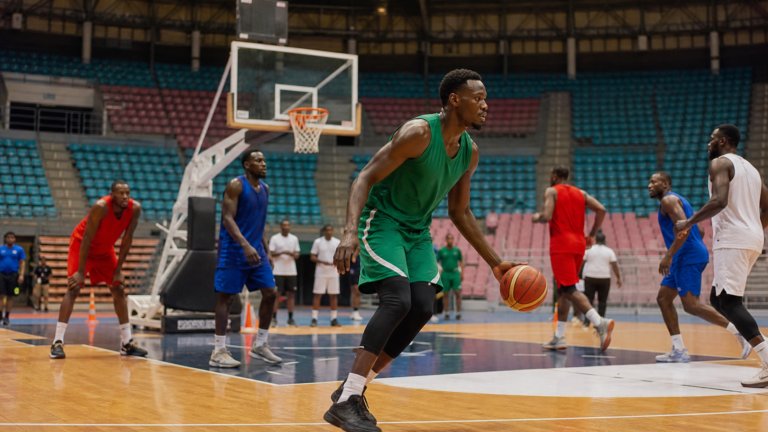
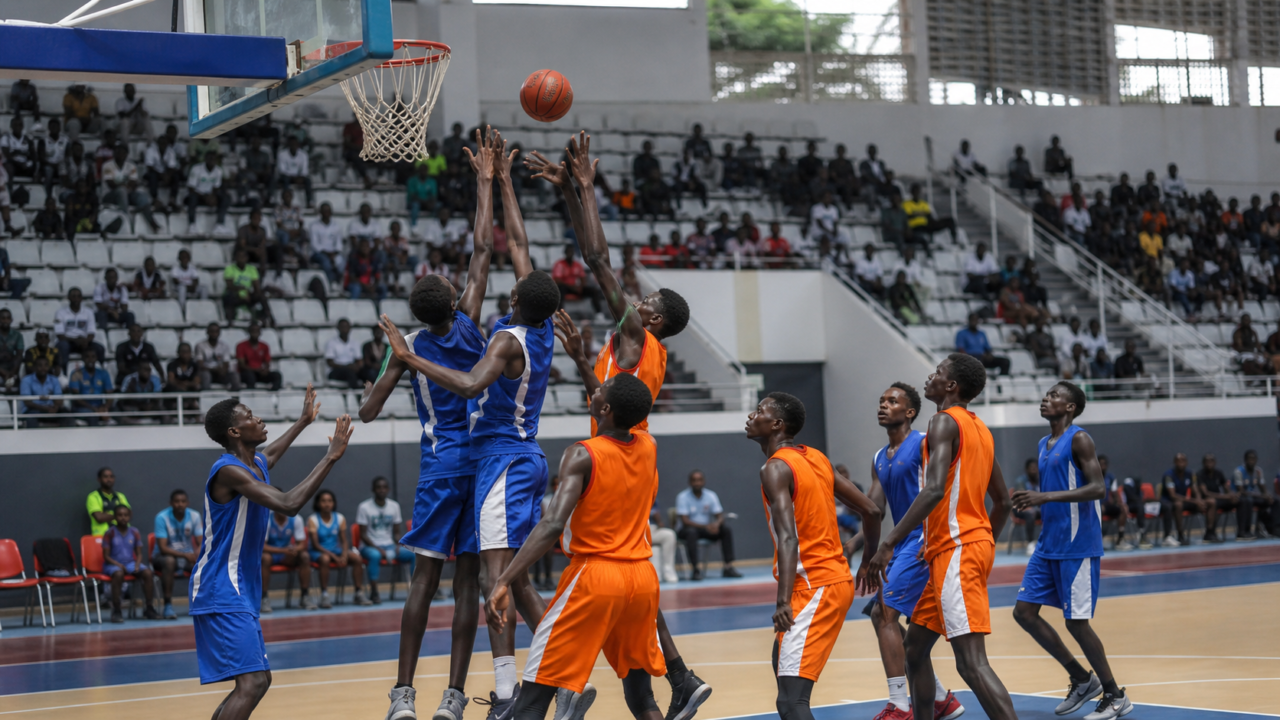
The 2026 FIBA U18 AfroBasket has entered its decisive weekend in Abidjan, where the remaining contenders are competing for more than a continental medal. Under the official qualification pathway, the tournament’s two finalists will represent Africa at the 2027 FIBA U19 Basketball World Cup.
That makes the semi-final stage the central pressure point of the competition. A victory guarantees a place in the African final and opens the door to the global age-group championship in Pardubice, Czechia. A defeat ends the immediate World Cup route, even though classification games and the bronze-medal contest still matter for the final continental ranking.
Abidjan becomes a gateway to the world stage
The tournament has brought Africa’s leading under-18 men’s national teams to Côte d’Ivoire from 5 to 16 August. The group phase and knockout rounds have reduced the field, but the competition system gives the final weekend a simple consequence: reach the title game and qualify for the U19 World Cup.
That prize changes the character of a semi-final. Teams must still execute the details that brought them through the earlier rounds, but they also have to manage a game that can shape an entire generation’s international calendar. Possession control, defensive rebounding and composure late in each quarter become especially important when the margin between qualification and elimination is one result.
A World Cup place is valuable not only for the players selected in Abidjan. It gives a federation another year of high-level preparation, creates opportunities for wider scouting and places its youth programme against leading systems from other regions. For players approaching senior basketball, that exposure can accelerate the transition from domestic and academy competition to the international level.
Why the U18 level matters for African basketball
Age-group tournaments are one of the clearest measures of whether a national programme is developing depth. Senior results can depend heavily on one exceptional generation, but sustained youth performance points to coaching pathways, regular competition and a broader player pool.
The Abidjan event also creates a shared reference point for federations across the continent. Teams face different styles and physical profiles in a compressed schedule, giving coaches information that is difficult to reproduce in isolated camps. The strongest programmes are those that can turn the lessons of one tournament into better preparation for the next qualification cycle.
Africa Sports Live’s earlier U18 AfroBasket preview focused on the arrival of the continent’s next generation in Côte d’Ivoire. The final four now converts that broad development story into a direct competitive test with global consequences.
The pressure of a single qualification game
The semi-finals reward teams that can adjust quickly. Opponents have already had several games to study tendencies, and familiar patterns are harder to hide. Half-court execution, transition defence and the ability to protect the ball will be central when every empty possession carries extra weight.
Depth can also decide the final minutes. The competition has required repeated games over a short period, so coaches must balance their most trusted line-ups with the energy needed to finish. Young players are learning tournament management while simultaneously playing for the largest prize available at this stage of their careers.
What happens next
The semi-finals determine Africa’s two qualifiers for the 2027 FIBA U19 Basketball World Cup. The winners will then meet for the continental title, while the other teams complete their classification fixtures before the tournament closes on 16 August.
For the finalists, the work will immediately extend beyond Abidjan. World Cup preparation will require competitive camps, player monitoring and a plan for facing teams from several basketball regions. This weekend decides the medals, but it also identifies the two African programmes that will carry the continent’s youth basketball ambitions onto the world stage.