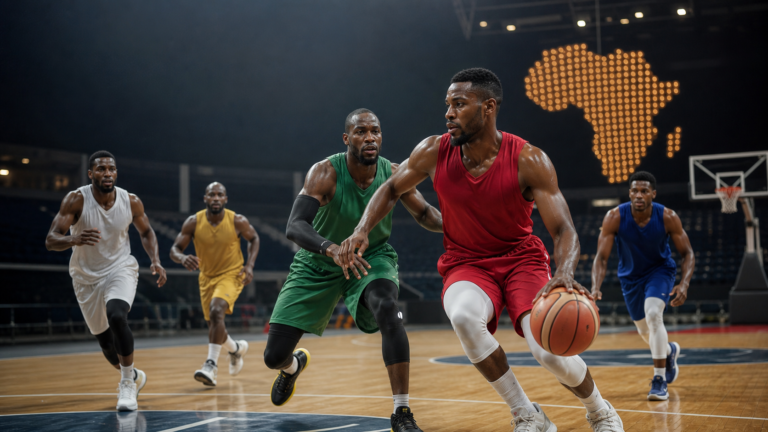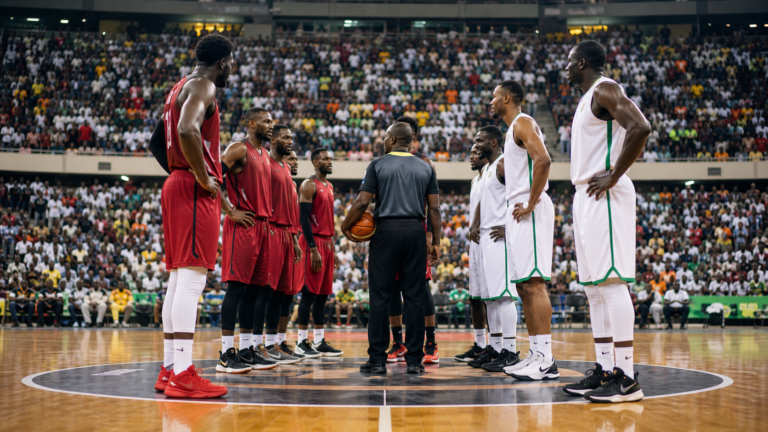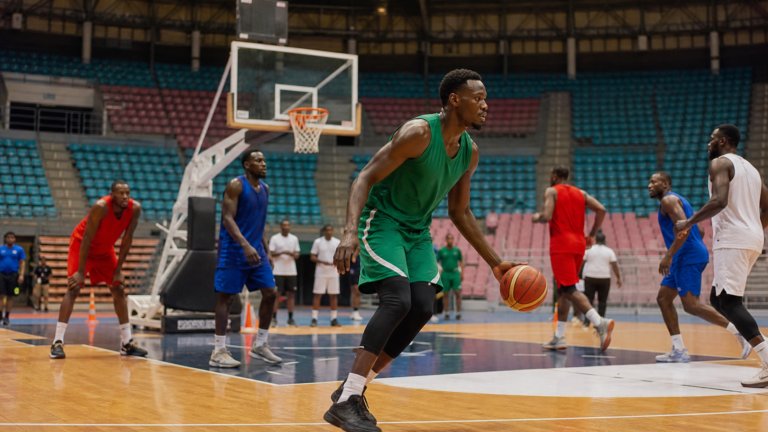
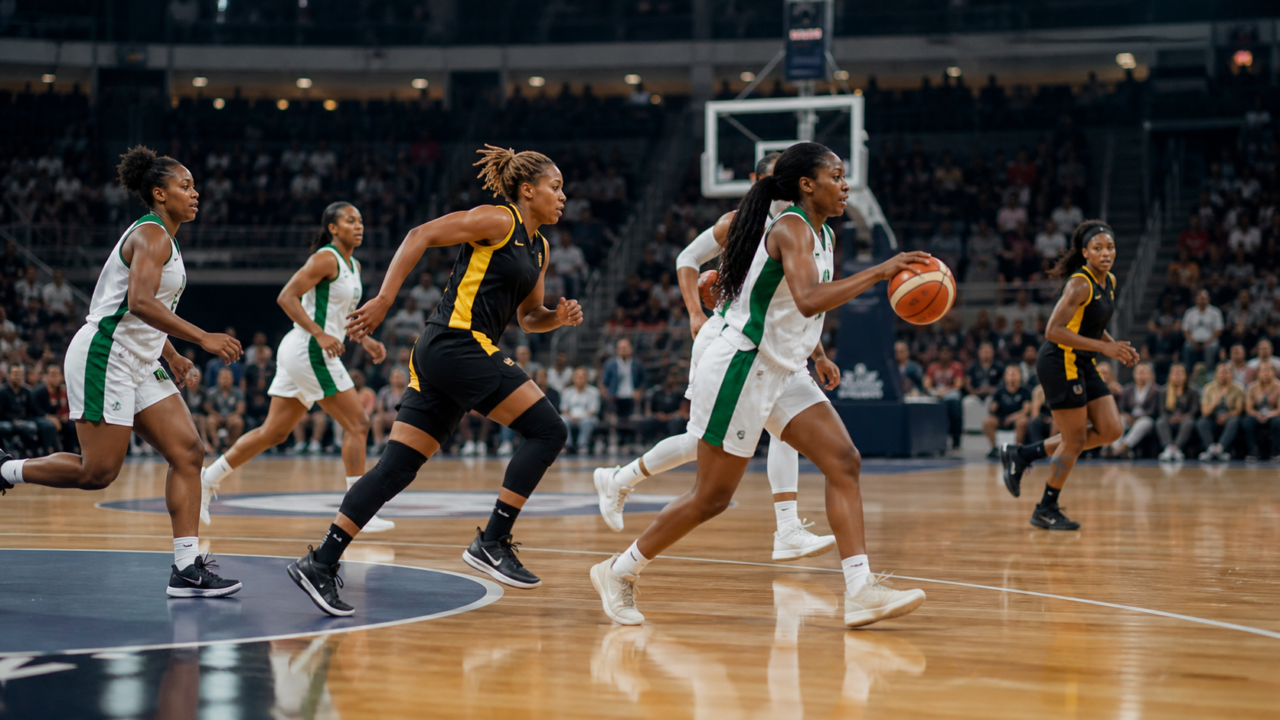
Nigeria and Mali will carry Africa’s hopes at the 2026 FIBA Women’s Basketball World Cup in Berlin, joining a 16-team field for the global tournament from 4–13 September.
The confirmed line-up gives African basketball two representatives on one of the sport’s biggest stages. Nigeria arrive as the reigning African champions, while Mali secured their place through the Women’s World Cup qualifying tournaments played in March 2026.
Two different routes to Berlin
Nigeria qualified directly after winning the 2025 FIBA Women’s AfroBasket. That continental title ensured their place in Berlin and reinforced the programme’s position among the leading teams in African women’s basketball.
Mali took a longer route. They advanced through the 2026 qualifying process, earning a spot in the final field alongside teams from across Europe, Asia and the Americas. Their qualification means Africa will again have more than one team represented at the World Cup.
The contrast between those routes adds an important layer to the tournament. Nigeria will enter with the expectations attached to continental champions, while Mali can draw confidence from navigating a qualification campaign against international opposition.
Group-stage tests for both teams
FIBA’s official event schedule places Mali in Group A with host nation Germany, Spain and Japan. Nigeria are in Group B alongside France, Hungary and Korea. Each group presents a demanding mix of styles, tournament experience and depth.
Mali are scheduled to open against Japan on 4 September. Nigeria begin their campaign against Korea on the same day. Those opening games will be important, but neither team’s tournament can be reduced to a single result. Short group stages reward consistency, disciplined possessions and the ability to respond quickly between fixtures.
Germany’s home support will add another dimension to Group A, while Spain’s established international pedigree makes the section especially competitive. In Group B, Nigeria will face a French side accustomed to the later rounds of major tournaments, as well as Hungary and Korea teams capable of punishing mistakes.
What African supporters can watch for
For both teams, ball security and defensive rebounding will be central. World Cup opponents consistently turn loose possessions into transition opportunities, so controlling tempo will matter as much as scoring runs.
Depth will also be tested. The tournament format demands repeated high-intensity games over a short period, making bench production, foul management and recovery essential. Final rosters will determine how each coaching staff distributes those responsibilities.
The event is also an important showcase for the growth of the women’s game across Africa. Strong performances can raise the visibility of domestic programmes, create opportunities for players and give younger athletes a clearer pathway from continental competition to the global stage.
A global stage in Berlin
The World Cup will be played at Arena Berlin and Max-Schmeling Halle. Sixteen nations will compete for the title, with the group phase followed by knockout basketball as the field narrows.
Nigeria and Mali will arrive with different recent histories, but the same opportunity: to test themselves against elite opposition and represent African basketball in front of a worldwide audience. Confirmed rosters and final preparation schedules should come from FIBA and the respective national federations closer to the opening game.
Sources: FIBA’s official field confirmation and the official FIBA Women’s Basketball World Cup 2026 event page.