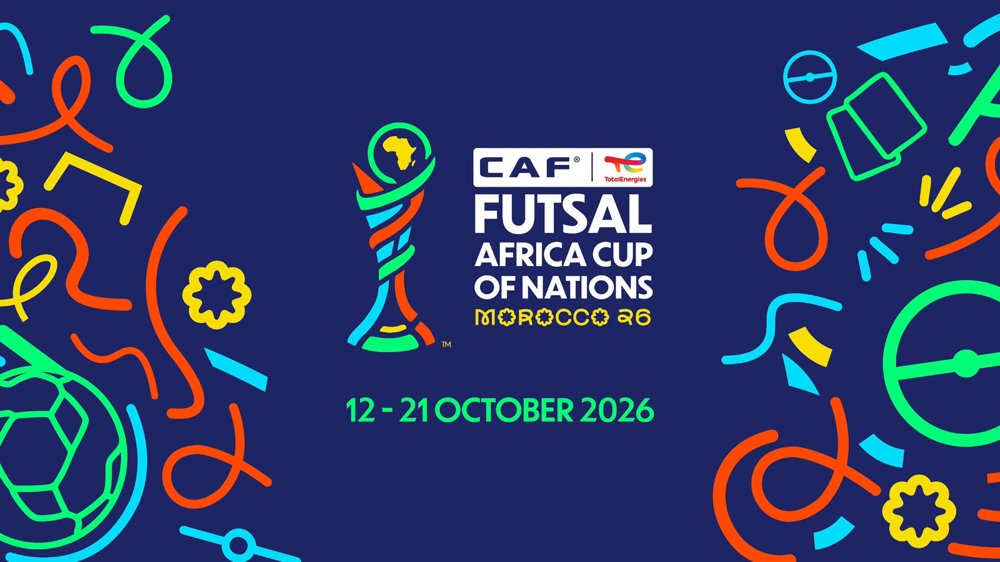
CAF has moved the 2026 Futsal Africa Cup of Nations into its next public phase after staging the final draw in Morocco and presenting a new visual identity and trophy for the continental tournament.
The draw was conducted on 10 August at the Mohammed VI Football Complex, giving qualified teams and supporters their first clear view of the tournament structure. The competition adds a distinct futsal story to a busy African football calendar and brings Morocco back into focus as host.
A draw that turns preparation into a defined route
A final draw is more than a ceremonial event. It gives every participating nation a defined path through the group stage and allows coaching teams to organise scouting, training priorities and travel around known opponents.
CAF’s official coverage places the draw at the centre of the build-up to the TotalEnergies CAF Futsal Africa Cup of Nations Morocco 2026. The governing body also used the occasion to reveal a refreshed identity and a redesigned trophy, establishing a recognisable look for the event before competition begins.
Those elements matter because futsal occupies a different space from the outdoor game. It is played at a faster rhythm, with frequent transitions, rolling substitutions and less room for recovery after a defensive mistake. A tournament identity that is clearly separated from CAF’s other competitions helps the event build its own audience.
Why Morocco is a natural focal point
Morocco has developed a strong profile in African futsal and has also invested heavily in football infrastructure. Hosting the final draw at the Mohammed VI Football Complex links the tournament to a venue already associated with elite national-team preparation and major continental events.
The host nation will carry significant attention, but the draw creates a wider African story. Every qualified side now has an opportunity to plan for specific tactical challenges rather than preparing in general terms. In a short tournament, that detail can be decisive.
Futsal matches can change quickly because space opens and closes within seconds. Teams must manage possession under pressure, defend set plays and use substitutions without disrupting structure. The group-stage pairings will therefore shape not only the schedule but also the type of preparation each coach prioritises.
A tournament with development value
CAF’s new identity and trophy also signal an effort to make the competition more visible. Futsal can support player development by demanding close control, rapid decision-making and constant movement. Its growth gives federations another competitive pathway alongside traditional outdoor football.
For supporters, the format offers a concentrated event in which every match carries immediate weight. There is little time to recover from a slow start, and goal difference can become important when group positions are tight.
Africa Sports Live has been tracking major continental competitions, including the 2026/27 CAF Champions League calendar. The futsal tournament adds another layer to that schedule without repeating the club-football story: it is a national-team event built around a different code of the game.
What happens next
With the draw complete, attention shifts to the participating federations. Official squad announcements, final preparation camps and any confirmed schedule details should come from CAF and the relevant national associations.
Supporters should avoid treating the draw as a prediction. Group composition can influence a team’s route, but it does not decide results. Fitness, discipline, set-piece execution and in-game management will determine which sides advance once the tournament starts.
CAF’s next updates are expected to turn the draw into a practical match programme for viewers and teams. The new trophy will wait for the eventual champion; before then, every participant must navigate the route established in Morocco.
Sources: CAF’s official final-draw coverage and CAF’s official identity and trophy announcement.