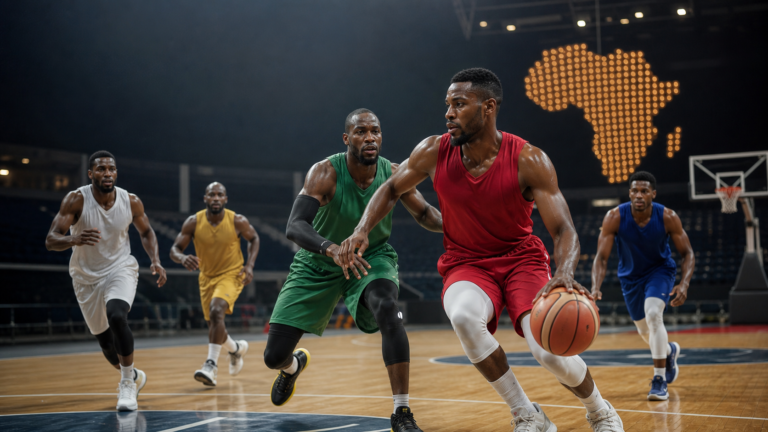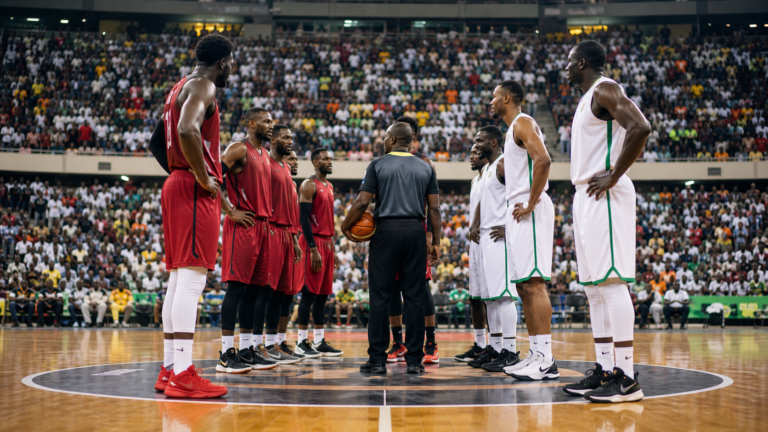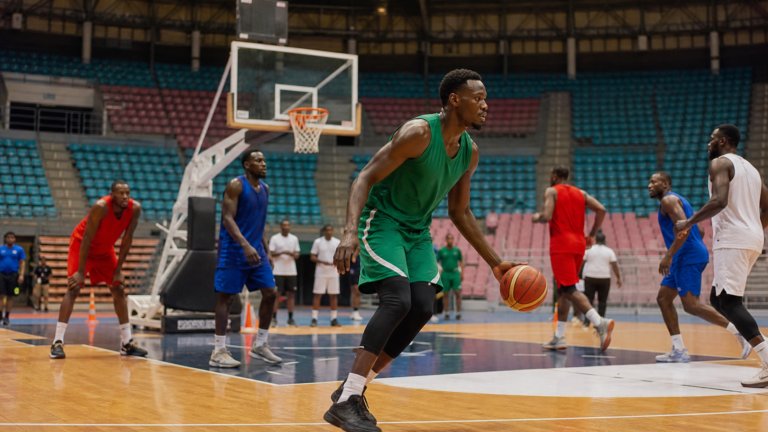
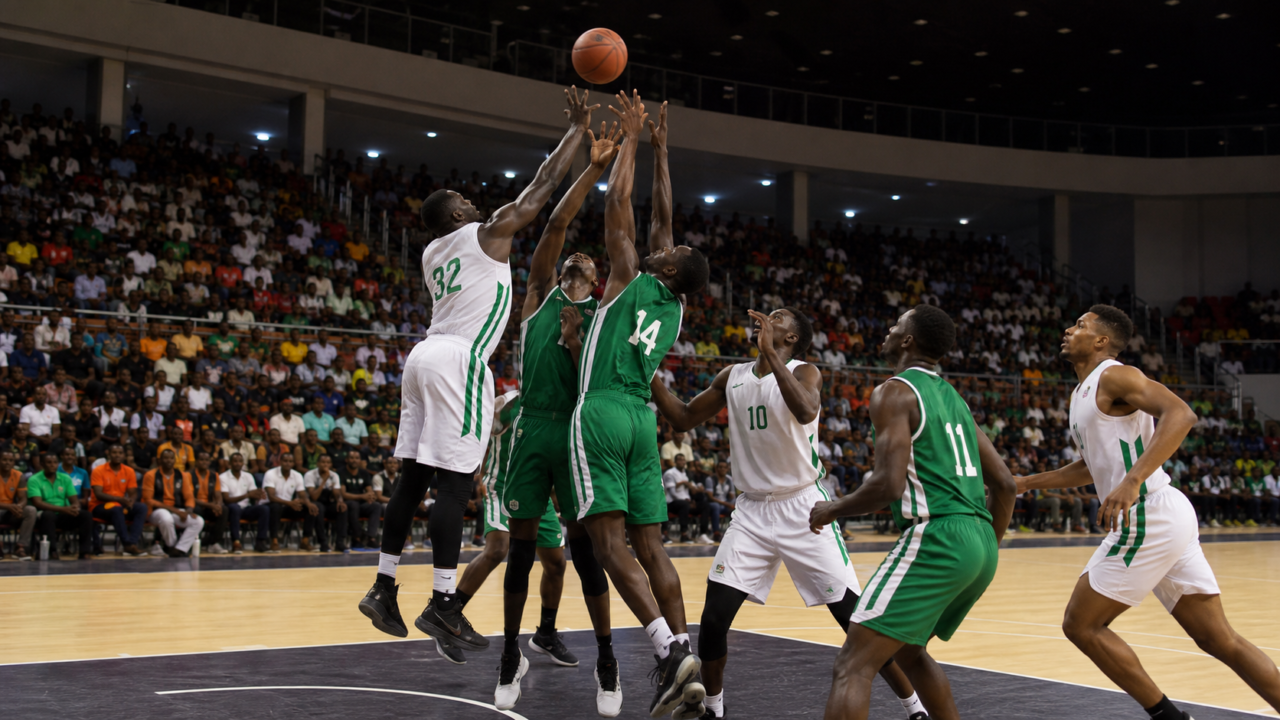
The race for Africa’s five places at the 2027 FIBA Basketball World Cup enters a decisive new phase from 24 August to 1 September 2026, when the fourth qualifying window opens the second round of the continental campaign.
FIBA’s official qualification format sends the top three teams from each of the four first-round groups into two six-team groups. Results already recorded against the other advancing teams are carried forward, which means the second round begins with every earlier win and loss still affecting the standings.
Twelve teams remain in the race
The African qualifiers began with 16 national teams: Angola, Cameroon, Cape Verde, Côte d’Ivoire, DR Congo, Egypt, Guinea, Libya, Madagascar, Mali, Nigeria, Rwanda, Senegal, South Sudan, Tunisia and Uganda.
After six first-round games for each team, the top three from every group advance. The qualifiers then combine groups for the second round, with each nation facing the three teams it did not meet earlier in the campaign.
That structure rewards consistency. A team cannot treat the opening round as a preliminary exercise because results against fellow qualifiers remain part of the record. Close wins, point differential and away-from-home resilience can all become important as the final table takes shape.
Five World Cup places are available
At the end of the second round, the top two teams in each group will qualify for the World Cup in Qatar. The best third-placed team across the two groups will take Africa’s fifth place.
The format keeps several teams in contention but leaves little room for a poor window. The August games are the first meetings of the second round, with the final qualifying window scheduled for February 2027.
Teams that build momentum in August can enter the final window with qualification in their own hands. Those that fall behind may need a combination of victories and favourable results elsewhere.
Why preparation will matter
National-team windows create a distinct challenge. Coaches have limited preparation time, players arrive from different club environments and travel can reduce recovery. Clear roles and familiarity with the system often matter as much as complex tactical changes.
Roster announcements will also shape the outlook. Availability should be confirmed only through FIBA and the national federations, particularly because club commitments, health assessments and travel documentation can affect final selections.
The tournament format places several games into a short period, so bench depth and game management are essential. Teams must balance the need to win each fixture with the physical demands of the entire window.
What African basketball supporters should watch
Rebounding, turnover control and late-game execution are likely to define close contests. The second round brings together opponents with stronger first-round records, making small mistakes more costly.
Supporters should also watch how teams adjust between games. With little practice time, the ability to learn from one matchup and implement changes in the next can separate the leading qualifiers from the chasing group.
What happens next
FIBA’s official competition pages will provide the confirmed second-round groups, host locations, fixtures, rosters and live results. The fourth window runs across the international period from 24 August to 1 September, with individual tournament dates set within that range.
After the August games, teams will have several months to prepare for the final window in February 2027. By the end of that stage, Africa’s five representatives for the World Cup in Qatar will be known.
Sources: FIBA’s official African qualification guide and competition hub.