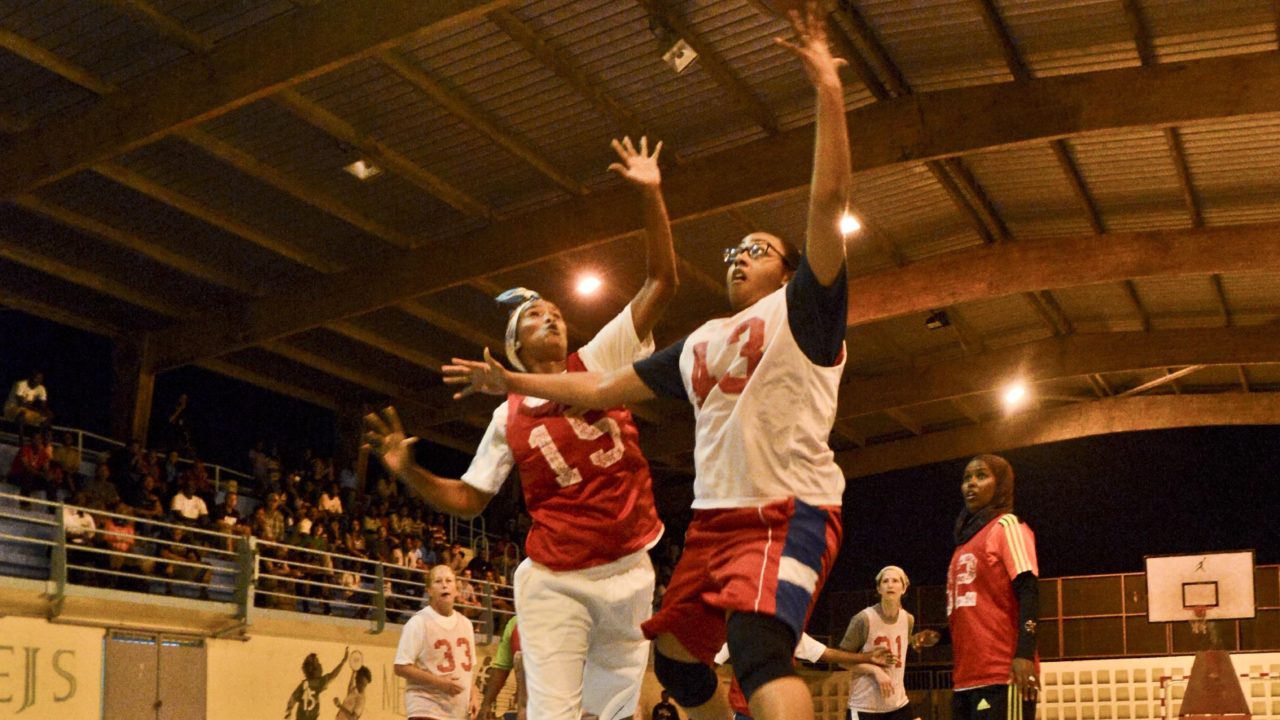
The FIBA U18 Women’s AfroBasket reached a decisive stage in Abidjan on 12 August, with quarter-finals and classification games placing Africa’s leading young national teams under knockout pressure.
FIBA’s official competition schedule lists Cameroon against Nigeria and Egypt against Uganda among the quarter-final fixtures, while Morocco, the Central African Republic, Senegal and Benin continue in classification play. The tournament is being held in Côte d’Ivoire from 5 to 16 August.
From group play to knockout basketball
The move into the quarter-finals changes the demands on every team. Group-stage basketball allows some room to recover from a poor possession or even a defeat. A knockout game does not. Shot selection, defensive rebounding and control of turnovers become especially important when one result determines who remains in the title race.
Cameroon and Nigeria bring two established basketball nations into one quarter-final, while Egypt and Uganda meet in another. The fixtures offer a measure of how youth programmes across different parts of the continent are developing, but they should not be reduced to senior-team reputations. Under-18 competitions often produce their own balance of power.
FIBA’s game pages provide the official schedule, venue information and live competition data. Results should be taken from those pages once games are complete rather than inferred from rankings or previous meetings.
Why the tournament matters beyond the trophy
U18 AfroBasket is a continental championship, but it is also a development checkpoint. Players are asked to operate within national-team systems, manage tournament recovery and respond to opponents with different styles over a compressed schedule.
For federations, the event provides evidence about the strength of their youth pathways. A competitive run may identify players ready for senior camps, university opportunities or professional development. It can also expose areas that require investment, from coaching and strength preparation to domestic competition time.
The women’s tournament is particularly important for visibility. Young players need competitive environments in which performance is recorded, streamed and evaluated. A well-run continental event gives them that platform without requiring every prospect to leave Africa before receiving attention.
Abidjan at the centre of African youth basketball
Côte d’Ivoire is hosting the competition for the first time, according to FIBA’s official preview. Abidjan provides a central stage for teams from across the continent and places youth basketball in front of a local audience familiar with major African sporting events.
The tournament also complements the men’s U18 AfroBasket taking place in the same August window. Africa Sports Live previously covered how the men’s U18 AfroBasket brought the next generation to Abidjan. The women’s knockout phase is a separate competition and a separate editorial story, with its own teams, schedule and pathway.
Classification games remain meaningful as well. They give players additional international minutes and produce a complete final ranking. For teams outside the championship bracket, those games are an opportunity to finish strongly and turn lessons from the group stage into improved performances.
What happens next
The quarter-final winners will advance toward the medal games, while the remaining teams move into placement fixtures. FIBA lists 16 August as the final day of the tournament, leaving little recovery time between the knockout rounds.
Coaches must therefore balance immediate performance with player welfare. Rotations, foul management and recovery will matter as much as tactical preparation. Teams that can maintain defensive concentration late in games are likely to give themselves the best chance of progressing.
The next official updates will come through FIBA’s competition pages, where schedules, statistics and confirmed results are published. Until then, the key fact is clear: the group stage has ended, and the margin for error in Abidjan has narrowed sharply.
Sources: FIBA U18 Women’s AfroBasket official competition site and FIBA’s official tournament preview.