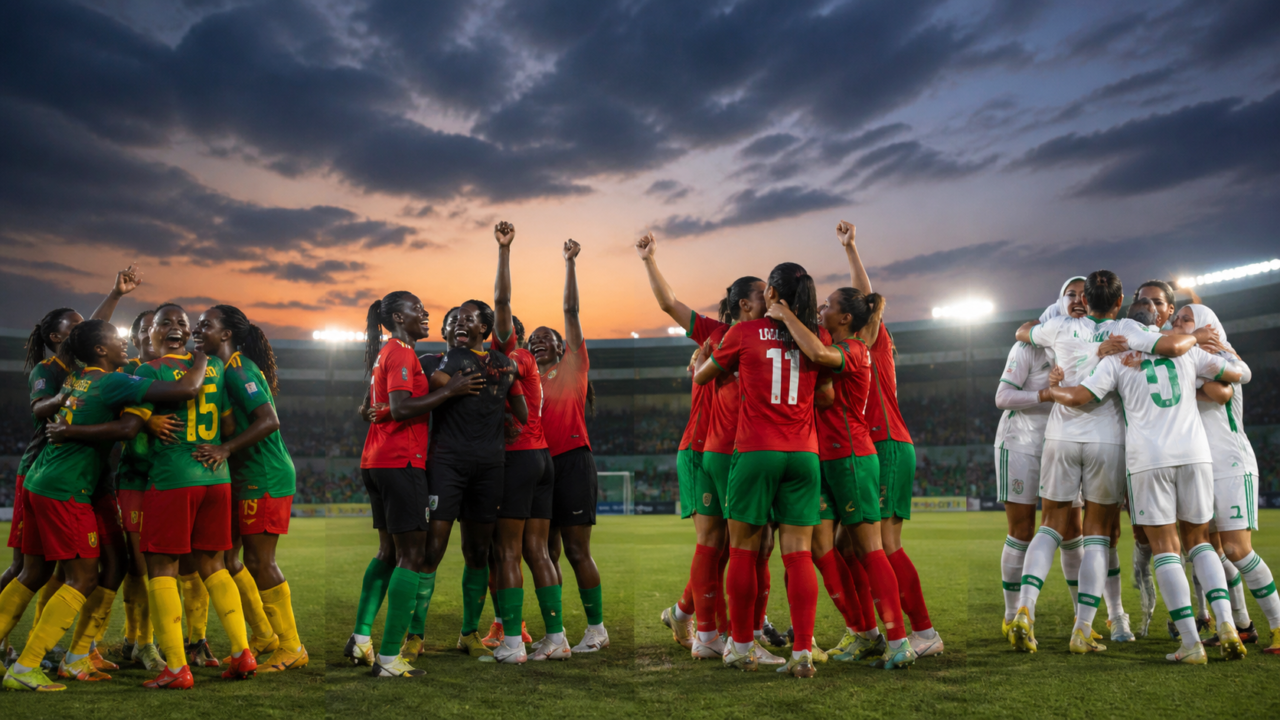
Cameroon, Malawi, Morocco and Algeria will represent Africa at the 2027 FIFA Women’s World Cup in Brazil after reaching the semi-finals of the 2026 Women’s Africa Cup of Nations. The tournament’s conclusion in Rabat confirmed the four direct qualifiers from CAF, while two further African teams remain on the route to the FIFA Play-Off Tournament.
FIFA set the qualification structure before WAFCON: the four semi-finalists would advance directly to Brazil, while teams eliminated in the quarter-finals would compete for Africa’s places in the inter-confederation play-offs. That format made the quarter-finals more than a battle for a continental medal. Each tie also carried a World Cup ticket.
Four different qualification stories
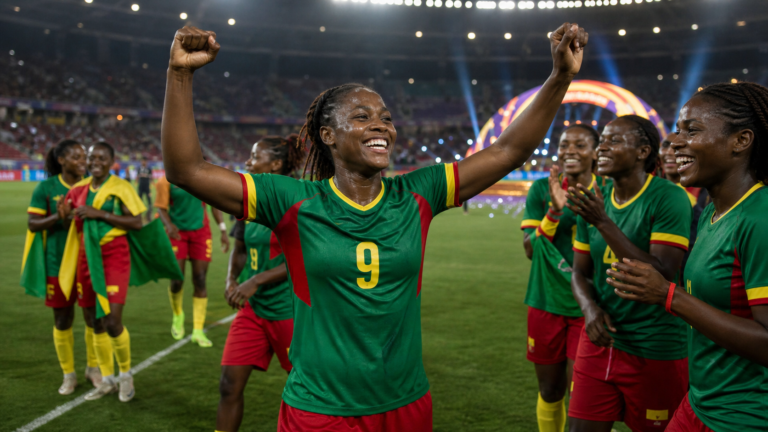
Cameroon completed the campaign as African champions, beating Malawi 3-0 in the final. Their first continental title added a trophy to a qualification already secured in the last eight. Africa Sports Live covered the breakthrough in its report on Cameroon’s historic WAFCON victory.
Malawi’s place is equally significant for a different reason. The Scorchers entered the expanded tournament as debutants and reached the final, turning their first WAFCON appearance into their first Women’s World Cup qualification. Their run demonstrates how quickly a national programme can alter its international position when a strong generation receives a continental platform.
Morocco will return to the World Cup after again showing that its progress in women’s football is built on more than hosting major events. Reaching the semi-finals at home secured the direct ticket before the Atlas Lionesses contested the bronze-medal match.
Algeria also achieved a historic result. Les Vertes converted a disciplined WAFCON campaign into their first Women’s World Cup place, giving North Africa two direct qualifiers and adding another new nation to the global tournament.
Why the 2026 pathway mattered
The expansion of WAFCON to 16 teams created a broader and more demanding qualification route. Every direct World Cup place was decided through knockout football, forcing established teams and emerging contenders to handle the same pressure.
The outcome also changed Africa’s recent World Cup map. Cameroon and Morocco return with previous global experience, but Malawi and Algeria will arrive as first-time qualifiers. That balance between continuity and new representation is important for the continent’s development.
A World Cup place can influence more than the senior squad. It gives federations a fixed international target, strengthens the case for preparation matches and creates a visible pathway for younger players. The challenge is to convert qualification into a complete programme rather than treat it as a single tournament reward.
What happens before Brazil
The four qualified teams now have a substantial preparation period before the World Cup, scheduled for 24 June to 25 July 2027. Squad depth, competitive fixtures and player availability will be central issues as coaches move from continental tournament football to planning for opponents from several confederations.
Africa’s final representation is not yet complete. The play-off route can still increase the continent’s presence to as many as six teams. Africa Sports Live previously explained the WAFCON play-off pathway, which remains the next opportunity for quarter-finalists that missed direct qualification.
For now, Cameroon, Malawi, Morocco and Algeria can plan with certainty. Their routes through Morocco were different, but the destination is the same: Brazil 2027 and another chance to measure the growth of African women’s football on the world stage.