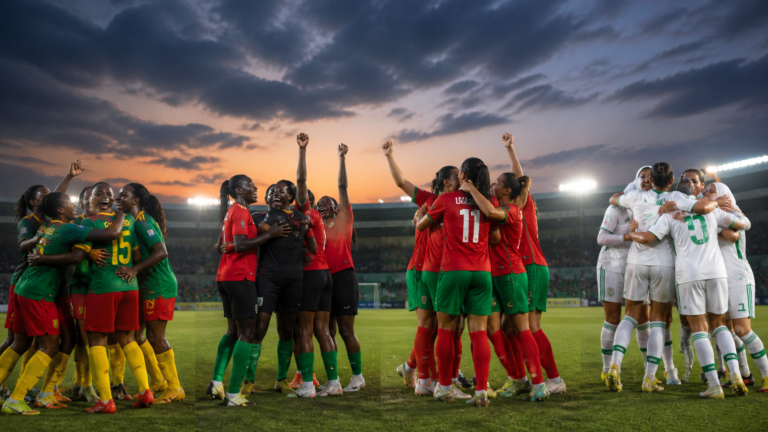
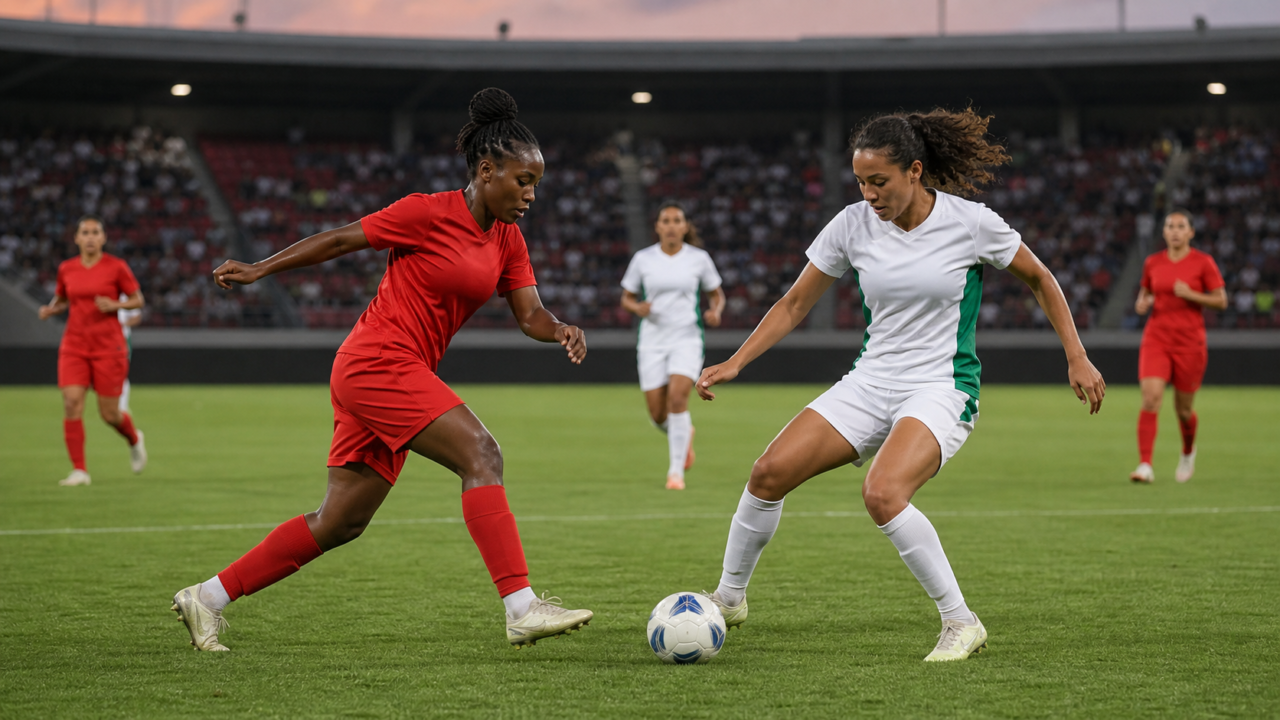
Morocco and Algeria will meet in the third-place match of the 2026 Women’s Africa Cup of Nations on Saturday, 15 August, at Rabat Olympic Stadium. The North African neighbours enter the bronze-medal contest after their semi-final campaigns ended on Wednesday, but both have already secured direct qualification for the 2027 FIFA Women’s World Cup in Brazil.
CAF’s official competition schedule places the third-place fixture at 18:00 local time, one day before Cameroon and Malawi contest the final in Rabat. For Morocco and Algeria, the match offers an immediate chance to respond to semi-final disappointment and close a demanding three-week tournament with a continental medal.
A North African contest with its own significance
The bronze-medal match carries more weight than a routine classification fixture. Morocco are the hosts and have played the tournament under sustained public attention, while Algeria have produced a campaign that confirms their growing place in African women’s football. Meeting at the end of the competition brings two familiar regional football cultures into a different setting: a major continental knockout game.
Both teams began the tournament in Group A, alongside Senegal and Kenya, before navigating separate knockout routes. The rematch in Rabat is therefore also an opportunity to measure how each side has evolved since the group phase. Tournament football compresses learning into a few weeks, and the team that adjusts best to the physical and emotional demands of one final game will be better placed to take bronze.
Morocco’s home support should again create a strong atmosphere, but that advantage brings expectation. Algeria can approach the match with a different kind of freedom, having already achieved the central objective of earning a World Cup place through their run to the last four.
World Cup qualification changes the perspective
The semi-finalists qualified directly for Brazil 2027, meaning neither side’s tournament will be defined solely by Saturday’s result. The larger achievement is the continuation of an African journey on the global stage, where preparation, squad depth and international scheduling will become the next priorities.
That context should not reduce the competitive edge. A WAFCON medal remains a clear marker of progress and can shape how a federation builds momentum around its women’s programme. It also matters to players who have managed the pressure of a new 16-team format and want a tangible reward for reaching the final weekend.
Africa Sports Live followed the tournament’s transition into the knockout phase in our Rabat semi-final guide. The finalists are now set, while Morocco and Algeria must reset quickly for the contest that determines third place.
What may decide the bronze-medal match
Recovery will be a major factor. Both teams played high-stakes semi-finals three days earlier, so staff must assess fatigue without losing continuity. The opening stages may reveal which side has processed that disappointment more effectively.
Control in midfield and the quality of the first pass after regaining possession should also matter. Morocco will want to use the ball with patience and draw energy from the crowd. Algeria’s opportunity may come from disrupting that rhythm and attacking space before the hosts can settle into their defensive structure.
Set pieces can become decisive when two teams know each other well and open-play chances are limited. Discipline around the penalty area, accurate delivery and concentration on second balls will be essential throughout the match.
What happens next
After the final whistle, attention will turn toward World Cup planning. Both federations will have to protect the progress made in Morocco by arranging meaningful preparation and maintaining a competitive pathway for the players who delivered qualification.
Saturday first offers one more continental objective. Morocco can finish their home tournament on the podium; Algeria can complete a breakthrough campaign with bronze. The result will settle third place, but the presence of two North African teams in the final four is already an important signal about the region’s expanding influence in the women’s game.