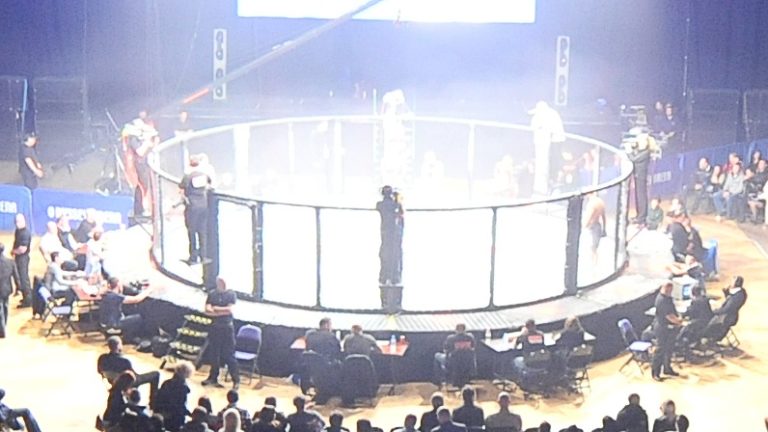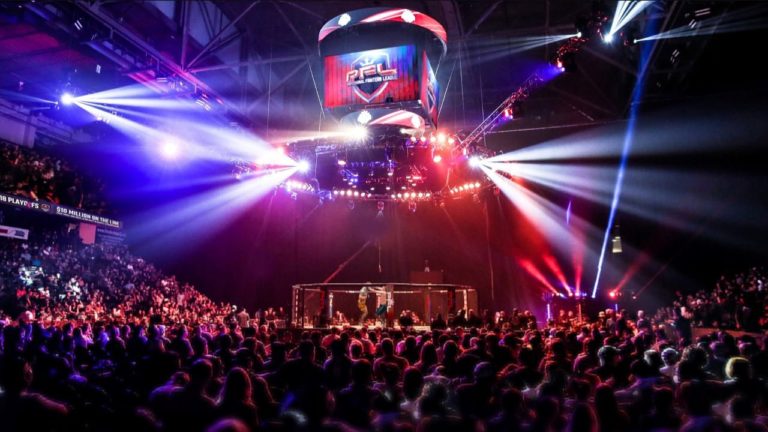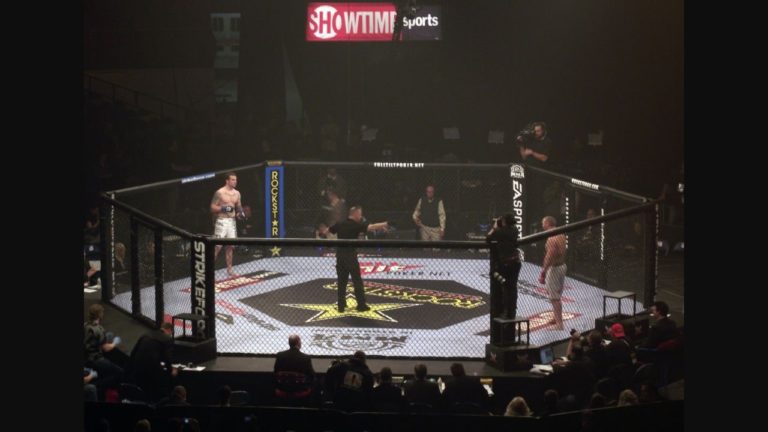
PFL Africa’s 2026 season moved forward in Lagos with the completion of its Nigeria first-round event, giving the promotion’s continental tournament a new group of advancing fighters.
The Professional Fighters League published the official results from the 13 June card, including Ignacio Campos’ submission victory over Nigeria’s Wasi Adeshina in the headline bout. The event formed part of PFL Africa’s second season and placed West African fighters and supporters at the centre of the competition.
Lagos adds another chapter to PFL Africa
Taking a major MMA card to Nigeria expanded the geographic reach of PFL Africa. The promotion had already used South African venues, but a Lagos event gave the league a direct presence in one of the continent’s largest sporting markets.
The first-round format means results have consequences beyond a single night. Winners move deeper into the season, while the tournament structure gives fighters a clearer competitive route than isolated showcase bouts.
Campos’ victory over Adeshina was confirmed by PFL as a rear-naked-choke submission in the opening round. That result ended the Nigerian headliner’s tournament run and moved Campos forward.
Why the Nigeria event mattered
For African MMA, hosting is as important as participation. Fighters need credible events on the continent, supported by medical standards, regulation and international distribution.
A Lagos card allows local athletes to compete closer to home and gives supporters direct access to the sport. It also tests whether promotions can build sustainable audiences across multiple African markets rather than relying on one country.
The result story is distinct from Africa Sports Live’s earlier report on PFL Africa’s Pretoria debut. Pretoria demonstrated the value of a home crowd; Lagos showed how the second season could extend that model into West Africa.
A tournament pathway for African fighters
PFL Africa’s seasonal structure gives athletes a defined objective. Fighters are not simply appearing on a card; they are competing for progress within a bracket and the opportunity to reach later rounds.
That pathway can be valuable for prospects who have struggled to secure regular international bookings. Consistent competition also gives coaches and teams a better basis for planning training camps.
However, one event does not establish a complete ecosystem. African MMA still needs domestic gyms, amateur competition, officiating development and athlete protection. A continental promotion can provide visibility, but local structures remain essential.
The official results should also be separated from speculation about future matchups. PFL will determine the next pairings and event details. Until those are confirmed, only the recorded winners and outcomes should be treated as settled.
What happens next
The advancing fighters now wait for the promotion’s official bracket and scheduling updates. PFL’s next announcements should clarify locations, opponents and the route toward the later stages of the 2026 season.
For Nigeria, the event has already delivered a first major PFL Africa chapter. The longer-term question is whether Lagos becomes a regular stop and whether local fighters can convert access into sustained tournament success.
PFL Africa’s progress will be judged on competitive quality, safe delivery and the consistency of its calendar. The Lagos results provide the latest evidence that the league is building a genuinely multi-country African season.
Sources: PFL’s official Nigeria results and PFL’s official Lagos event announcement.